

April 8, 2024
Bryan College is thrilled to announce Jeremy Deal as our new Vice President for Athletics, effective June 2, 2024.
Continue Reading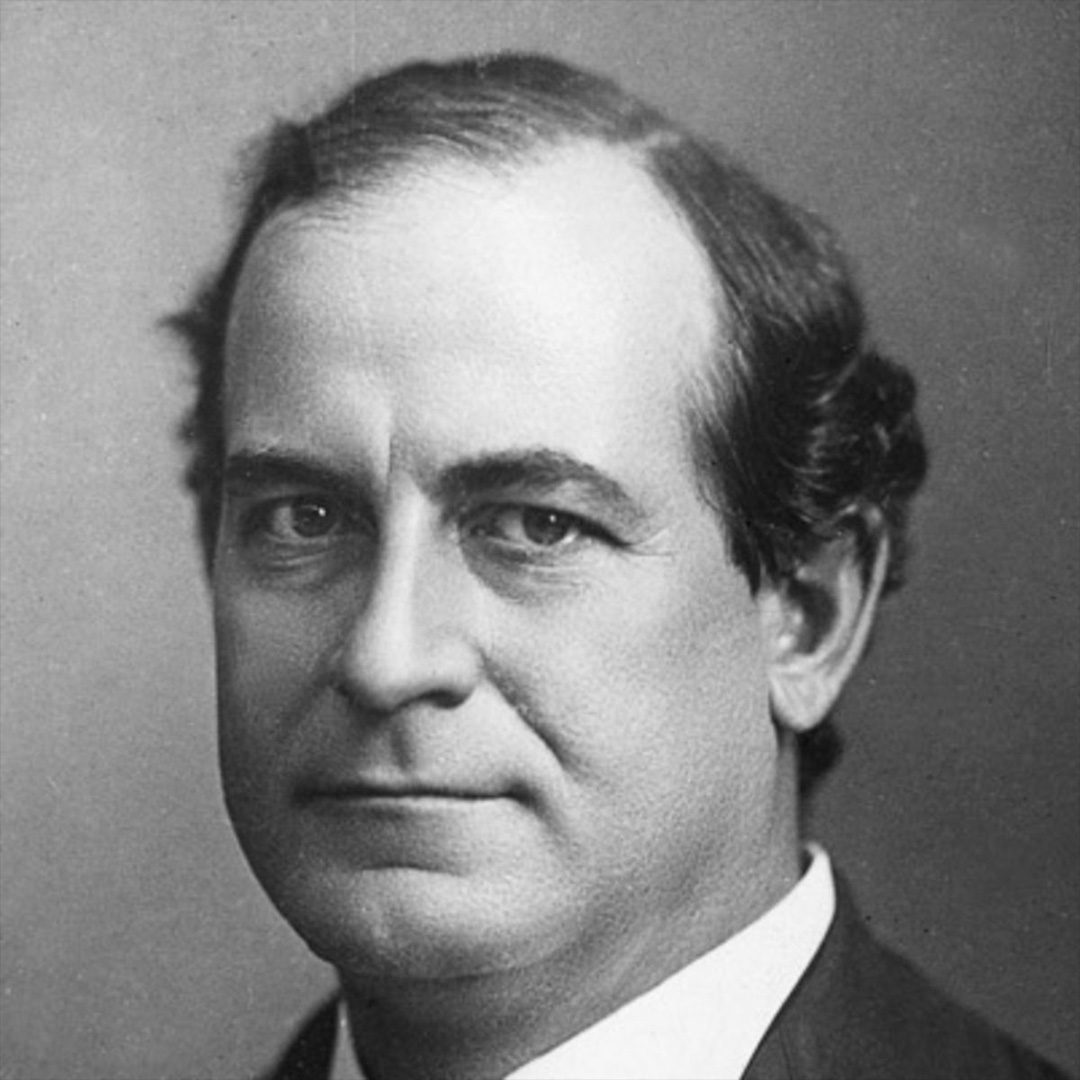
March 19, 2024

March 12, 2024
February 2, 2024
January 24, 2024

January 17, 2024
January 16, 2024

January 15, 2024
April 17, 2024 | 12:30 pm – 6:00 pm TIPS FOR BLOOD DONATION Blood Assurance wants to help make your donation experience as pleasant as possible! Below we have… April 19, 2024 | 7:30 pm The Bryan College ensembles present a variety of music for your enjoyment. April 19, 2024 | 8:00 am Homeschool visit day is an opportunity for students to experience Bryan College on a firsthand basis. Students will have the… April 20, 2024 | 10:00 am – 2:30 pm Inviting freshmen, sophomores, juniors, and seniors for an inside look into the Bryan Soccer Program. -10:00am – 2:30 pm (Check-In… April 21, 2024 | 6:00 pm The Bryan College Chorale will be performing its repertoire for its spring tour. May 3 – 4, 2024 Golden Grads often express, “Had I known it would be this enjoyable and unforgettable, I would have ensured all my… May 4, 2024 | 9:30 am COMMENCEMENT DAY SCHEDULE Saturday, May 4, 2024 (Triangle Lawn on Bryan Hill) 7:30 a.m. Check in- Mercer 2nd floor Lobby 8:00… June 9 – 15, 2024 Bryan College Theatre Intensive Camp Theatre Intensive Camp is a week-long summer immersion program for high school students interested in… July 14 – 20, 2024 Summer Institute 2024 July 14-20, 2024 The Summer Institute is a week-long summer immersion program for high school students. During… October 22 – November 2, 2024 Join Bryan College as we travel in the footsteps of Paul the Apostle to The Best of Greece and The…Featured EventsEvents
More Events
Blood Assurance Bloodmobile on Campus

Spring Concert

Homeschool Preview Day
Women’s Soccer ID Camp

Voices Uplifted
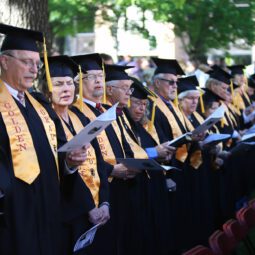
Class of 1974 50th Golden Grad Celebration

Graduation
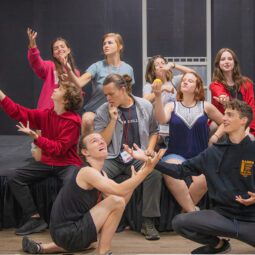
Theatre Intensive Camp
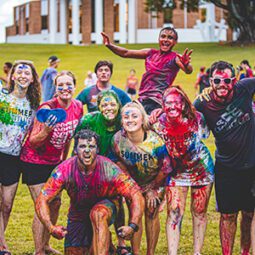
Summer Institute 2024

Greece Trip