Historical tour of Scopes Evolution Trial sites in Dayton, TN

( [M] = Metal Historical Marker)

1 RHEA COUNTY COURTHOUSE & MUSEUM [M]
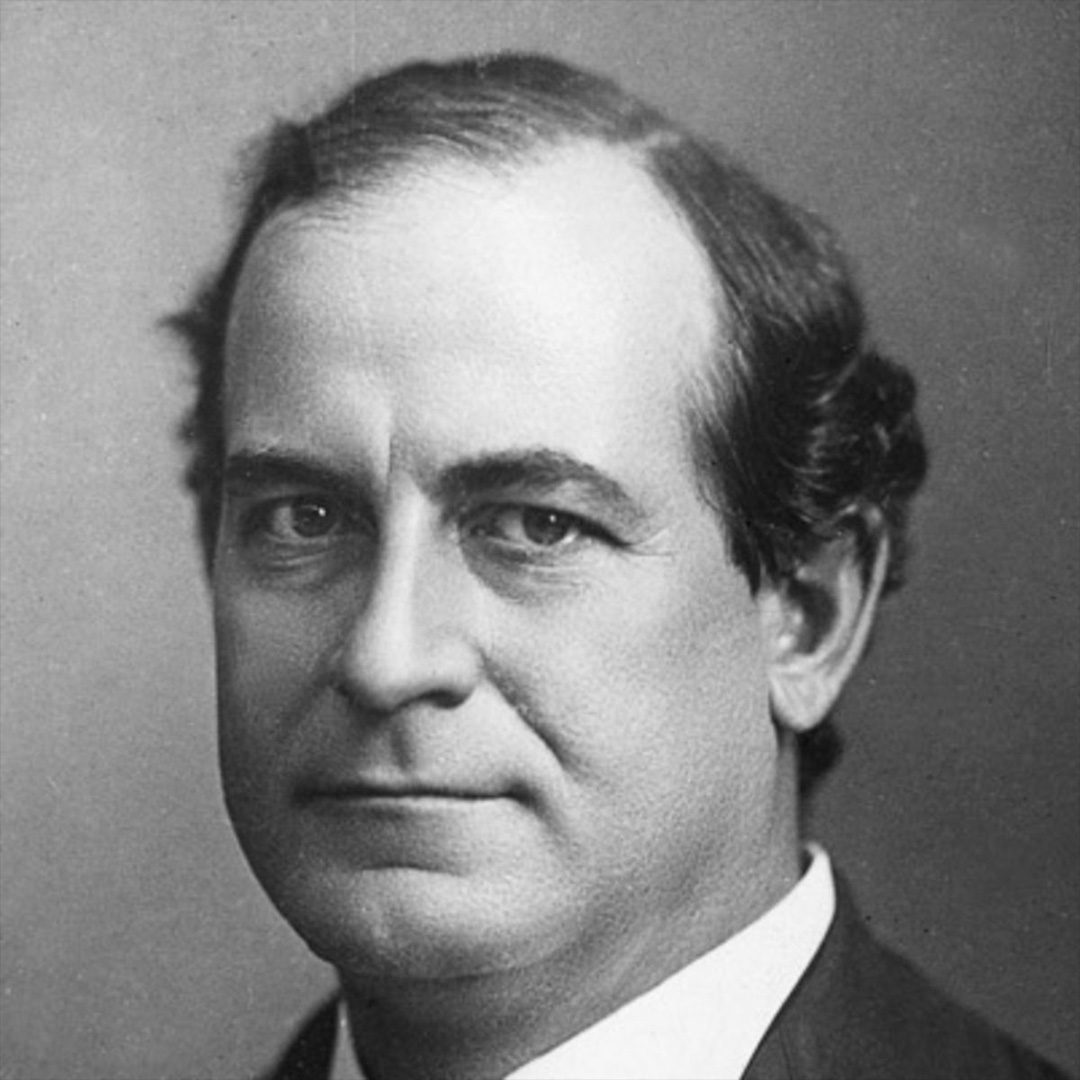
This Romanesque Revival/Italian Villa Style courthouse was built in 1891, designated a National Historic Landmark in 1977, and restored in 1979. Still operated as a courthouse and housing Scopes Trial and Rhea County Heritage museums, the building is open Monday-Friday, 8:00-4:30 except holidays. The Scopes Trial courtroom on the second floor contains the original judge's bench, four tables, dais rail, jury chairs, and spectator seats. During the trial's seventh day, the court met on a platform on the north lawn. In 2005 a Cessna Decosimo statue was erected, depicting W.J. Bryan in 1891 (when he began his Congressional career, and when the courthouse was built.

2 F. E. ROBINSON HOME [M]
The "Hustling Druggist" who was instrumental in initiating the Scopes Trial lived in this house on the corner of Market and 3rd, built by A.P. Haggard (see #20) and is still owned by Robinson's family.

3 SITE OF FORMER ROBINSON HOME
At this location during the Scopes Trial stood a house owned by F. E. Robinson. who had moved across the street and opened this former home to Underwood and Underwood Photographers.

4 SITE OF DARWIN CUNNYNGHAM HOME
One lot north on Market St. from the corner was the house of Houston Darwin Cunnyngham, where journalists from the Boston Globe and England stayed during the Scopes Trial.

5 MCKENZIE LAW OFFICE [M]
Though not the original office associated with Scopes Trial prosecuting attorneys B.G. and J.G. McKenzie, this office next to the Robinson house was that of Jim McKenzie, grandson of B.G and nephew of J.G. McKenzie, who is now Rhea County Family Court judge.

6 W. C. BAILEY'S BOARDINGHOUSE [M]
John Scopes lived here on the N.E. corner of Market and 4th the year he taught in Dayton. During the trial, residents included Scopes' father, columnist Bugs Baer, and (briefly) Joe Mendi, the chimpanzee. It is now the law office of J. Shannon Garrison. (See #12.)

7 SITE OF A.M. MORGAN HOME
The lot on the S.W. corner of 7th Ave. and the alley was the location of the house where during part of the Scopes Trial author, editor, critic and journalist H.L. Mencken of the Baltimore Evening Sun boarded with the family of dentist A.M. Morgan. Dr. Morgan became an incorporator, founder, and trustee of Bryan University, and his wife Bertha was a member of the school's first graduating class in 1934.

8 SITE OF RHEA COUNTY HIGH SCHOOL [M]
Twenty-five yards behind the buildings on this site was the school where in 1924-25 John T. Scopes coached football, basketball, and baseball and taught mathematics, physics, and chemistry. The building was used by Bryan University from 1930 to 1935.

9 BALLARD/BAILEY HOUSE
Before the ScopesTrial, this house was owned by the Bailey family (see # 6, 12). During the trial, a circus trainer brought a chimpanzee named Joe Mendi to town, and after being excluded from Scopes' boardinghouse, they stayed in this house on the N.W. corner of Church and 3rd.

10 SITE OF LUKE MORGAN HOME
The second lot from the S.W. corner of Walnut and 2nd was the location where Scopes Trial schoolboy witness Howard Morgan lived. Clarence Darrow and his wife stayed here during the trial.

11 JOHN MORGAN FURNITURE [M]
In business since 1909, this company rented its second-floor living quarters on Market Street to reporters from periodicals such as Harper's Weekly.

12 BAILEY HARDWARE [M]
Now called Smith's Crossroads, this building in the middle of the block on Market between Main and 1st has a loft that was used during the Scopes Trial as the Press Hall--a place where many of the 120 reporters worked and had their sleeping quarters. Currently it is an antique shop with an espresso bar. (See #6, 9.)

13 F. R. ROGERS PHARMACY, WILKEY BARBER SHOP, E. B. ARNOLD HOME, THOMISON HOSPITAL
During the trial, F. R. Rogers worked for Robinson's Drug Store and arranged for the Bryans to stay in his home. About a year later he started his own pharmacy at this location, and his son, Richard, continued the business. On the west side of the lot adjoining the pharmacy, stood Wilkey's Barber Shop. Barbers Thurlow Reed and Virgil Wilkey helped stage a fake protest fight on May 19, 1925, in which Reed pretended to attack George Rappleyea for championing the cause of evolution. In the middle of the half block north on Market St. was the store and home of Mr. and Mrs. E. B. Arnold. During the trial, the Arnolds rented out their home to Joseph Wood Krutch of The Nation and his wife as well as to a reporter from the St. Louis Post Dispatch. Over the pharmacy was a hospital run by Dr. Walter Agnew Thomison (who first administered penicillin in this part of Tennessee), assisted by his father, Dr. Walter F. Thomison (who attended William Jennings Bryan at his death). (See #21, 23.)

14 HICKS LAW OFFICE
Scopes Trial prosecution lawyers Herbert E. Hicks and Sue K. Hicks (the original "Boy Named Sue" of the Johnny Cash hit song) had their law office upstairs in this building on the second lot from the corner on the S.E. side of Market and Main.

15 SITE OF F. E. ROBINSON'S DRUG STORE AND THE AQUA HOTEL [M]
The lot adjoining the Community National Bank lot is the site of the drug store where the first local plans for the Scopes Trial were made by Robinson, George Rappleyea, and others. Next to the drug store was the three-story Aqua Hotel, where the following Scopes Trial participants roomed, ate, or conferred: Arthur Garfield Hays, Dudley Field Malone, Dr. John R. Neal, Judge John T. Raulston, Bryan, and Darrow.

16 CUMBERLAND PRESBYTERIAN CHURCH
Currently not a C.P. Church, this structure next to the Dayton Electric and Water building was built two years after the Scopes Trial. When Clarence Darrow visited Dayton and saw this new church, he said, "I guess I didn't do much good here after all!" F.E. Robinson and Scopes juror Jess Goodrich were members of this church. In Kentucky, Scopes and his parents attended this denomination. William Jennings Bryan was converted to Christ in a C.P. Church.

17 FIRST UNITED METHODIST CHURCH [M]
The current building on the N.W. corner of Market and California has been renovated and expanded and does not look like it did at the time of the Scopes Trial. At this "Southern Methodist" church, William Jennings Bryan made his last public appearance when he attended the morning worship on Sunday, July 26, 1925, and was asked to lead in prayer.

18 SMITH'S CROSSROADS [M]
There is a historical marker on the S.W. corner of Market and Delaware at the intersection of the Kiuka War Trace (Black Fox Trail) and the main north-south Indian Trail to the Great Lakes. Around 1820 Dayton was organized as Smith's Crossroads; in the 1870's the name was changed to Dayton. In the late 1830's, when the Federal Government moved Cherokee Indians to the Southwest, their route came through this spot and was known as "The Trail of Tears." On Highway 30 west at the outskirts of Dayton, there is a Trail of Tears sign and a sign for the William J. Bryan Highway, designated as such by the Tennessee legislature in 1937.

19 SITE OF F.R. ROGERS HOME [M]
Although the house that now stands on the S.W. corner of Market and Georgia is not the original Rogers house, the retaining wall bordering the property is original. The Rogers family temporarily moved out to let William Jennings Bryan and his family stay here. It was in the Rogers house that Bryan died on July 26, 1925. (See #13.)

20 A.P. HAGGARD HOME [M]
This house across the street from the Rogers site was built after the Scopes Trial by A.P. Haggard, the father of trial lawyer W.C. Haggard, who was the brother-in-law of F.E. Robinson, trial originator. A.P. Haggard's second wife was the sister of the trial lawyers Herbert and Sue Hicks. (See #2, 14.)

21 WALTER F. THOMISON HOME [M]
Now called The Magnolia House, this 1890 Greek Revival structure was built by Dr. Walter F. Thomison for his sixteen-year-old bride, Ella Darwin. Dr. Thomison had Dayton's first drug store, was chief doctor for the Dayton Coal and Iron Co., and the local surgeon for the Southern Railway System. He was the attending physician at William Jennings Bryan's death and signed the death certificate. (See #13, 23.)

22 BROYLES-DARWIN HOME [M]
Built by S.D. Broyles in 1861, this historically restored building is the oldest house within the Dayton city limits. Broyles served in the Confederate cavalry and was the first permanent resident of Smith's Crossroads, the predecessor of Dayton. The James Robert Darwin family bought the house in 1908, and during the Scopes Trial boarded two reporters. This house is listed on the National Historic Register.

23 CEDAR HILL [M]
This building was erected in 1929 by Dr. Walter Agnew Thomison and local businessmen as Dayton's first hospital. It was leased by Bryan University from 1932-38 and used as a womenís dormitory, college dining hall, and kitchen. From 1938-46, it was owned and operated as a tourist home by Scopes Trial juror Jess Goodrich and his wife Rose. In 1967-84 Bryan College owned the building and used it first for married students and then as a women's dormitory. (See #13.)

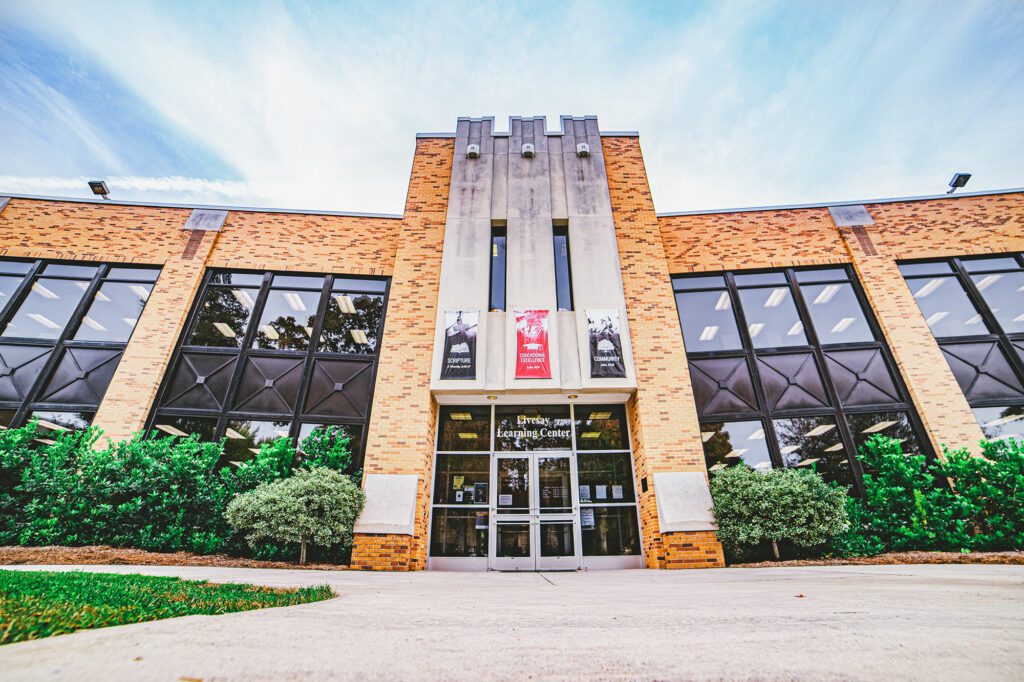
24 WILLIAM JENNINGS BRYAN COLLEGE [M]
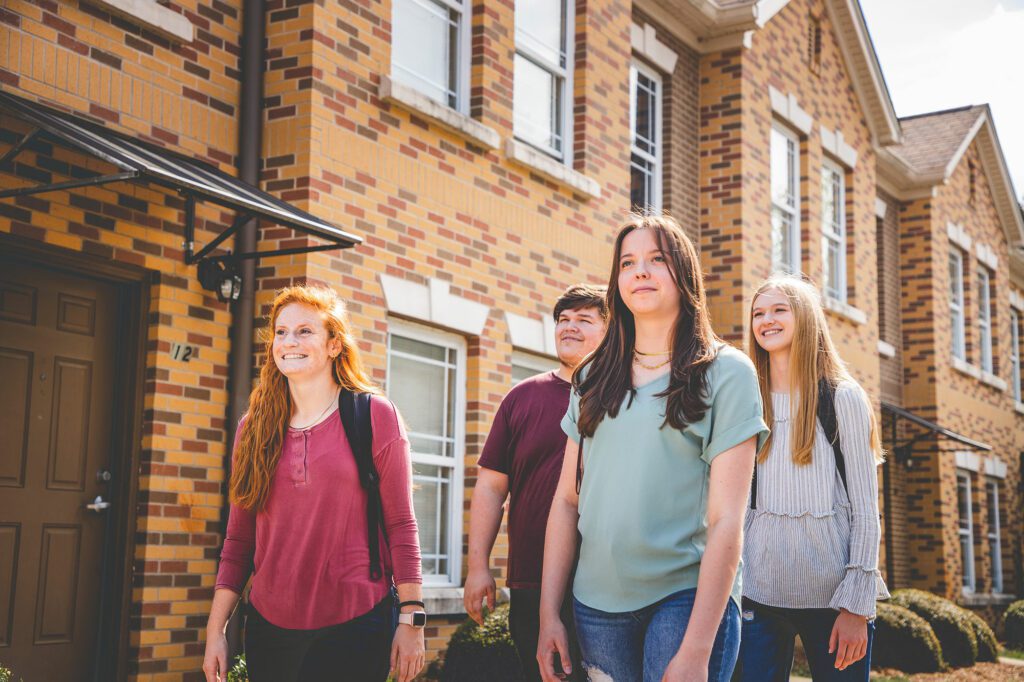
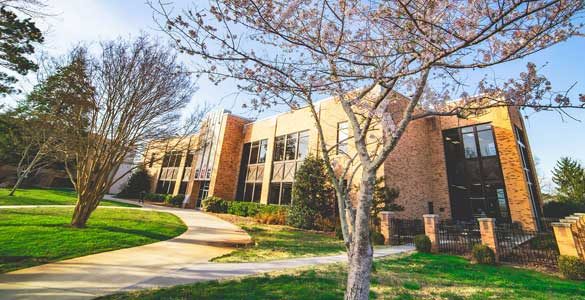
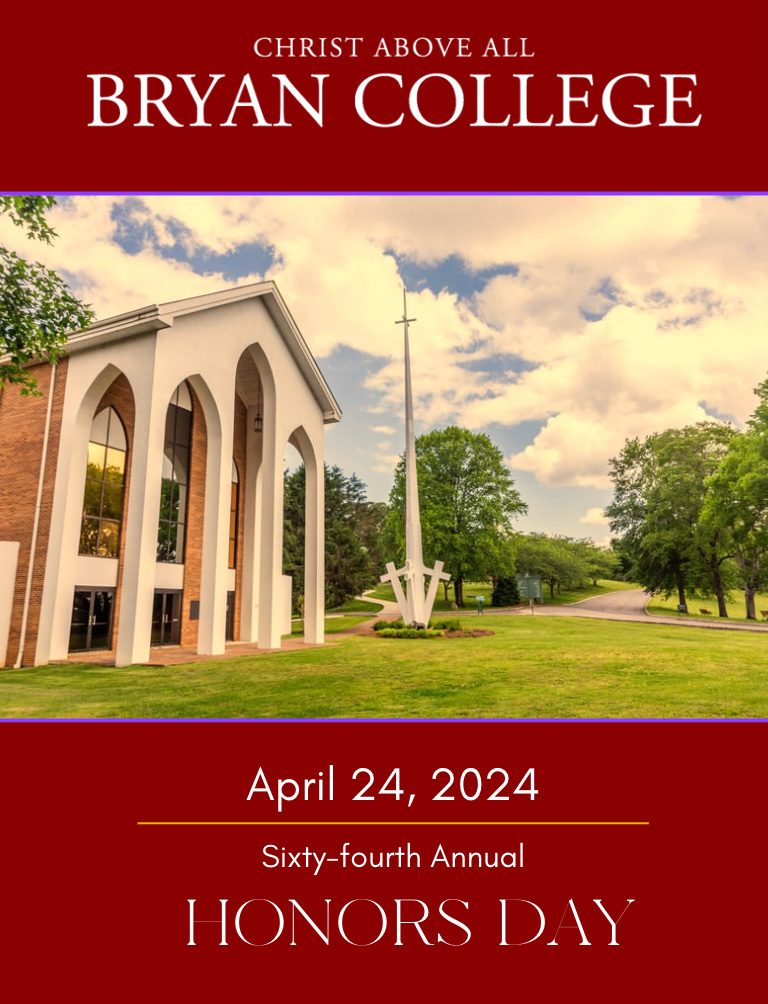
Conceived of during the Scopes Trial, William Jennings Bryan Memorial University (later Bryan College) was built in memory of Mr. Bryan, who defended the Bible at the Scopes Trial and died in Dayton five days later. Opened in 1930, the school is an accredited, non-denominational Christian liberal arts college. Located on a 125-acre campus, Bryan has 750 traditional program students from 33 states and 9 foreign countries and nearly 500 students in its degree completion, MBA, and online distance learning programs. Plaques at the entrance of Mercer Hall list ten incorporators and founders associated with the Scopes Trial. In Mercer Hall there are exhibits relating to the trial and Mr. Bryan. The Bryan library contains special collections relating to W.J. Bryan, H.L. Mencken, and the Scopes Trial.

25 DAYTON COAL & IRON CO., LTD., & LAUREL-SNOW POCKET WILDERNESS
Located less than a 10-minute drive from downtown Dayton, this former mining operation is now a recreational area administered by the Bowater Southern Paper Corp. This 710-acre area of hiking trails, waterfalls, and streams was the first National Recreation Trail in Tennessee and the first one in the U.S. to be designated on private land. Still visible are coke ovens and other ruins of the British/Scottish DC&IC organized in 1883. Its successor, the Cumberland Coal and Iron Co., was managed by George Rappleyea, who helped initiate the Scopes Trial to generate publicity that might attract investors to save the company and the Dayton economy.

26 DAYTON/CUMBERLAND COAL & IRON CO.
The blast furnace complex of this company was located on the site of these sports fields. (See #25.)

27 ST. GENEVIEVE'S ACADEMY
This Catholic school opened in 1891 with about 40 students and was built as a boarding and day school primarily for children of workers at the Dayton Coal and Iron Co. The Academy closed in 1896 because the Company had difficulies, which forced many workers to move away. In 2004 the building was renovated to become Fehn's 1891 House restarurant at 449 Delaware Ave. (See #25.)